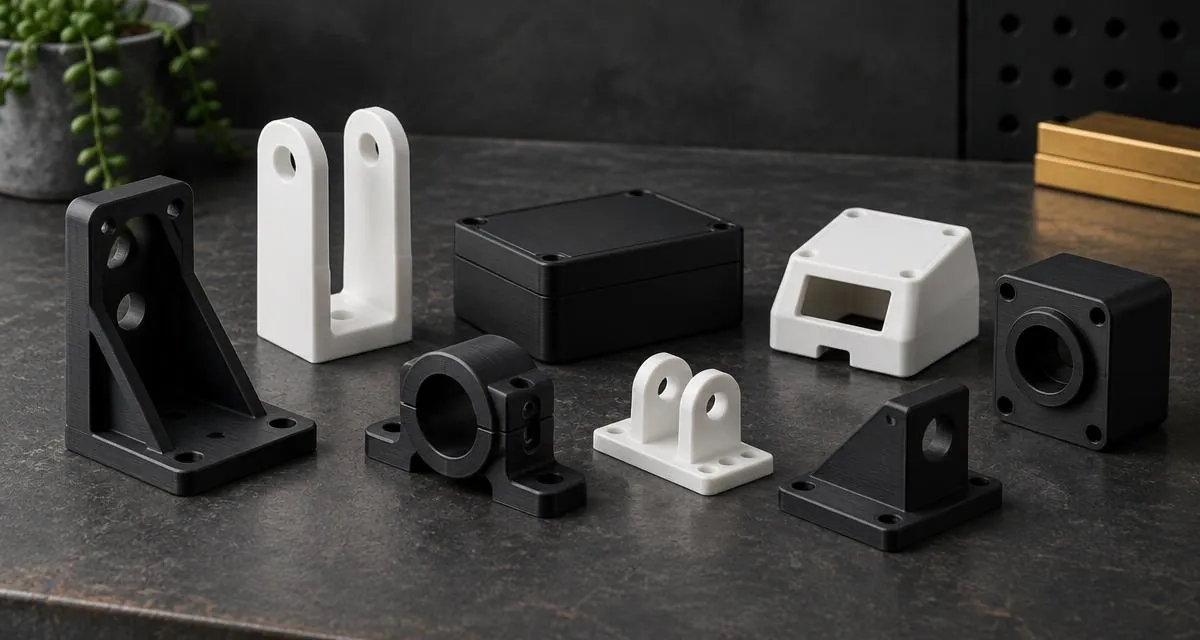
white-label print farm partnerships starts with an agreed application, approved file and realistic production plan. This guide explains the decisions to make before accepting a batch quote.
Define a partnership before the queue becomes urgent
Overflow production works best when the relationship is discussed before a deadline becomes difficult. Explain your normal materials, standards, client expectations and likely referral work. The supplier needs enough context to decide whether its equipment and workflow can support your jobs. A partnership enquiry is not an automatic commitment to hold spare capacity or prioritise every future order. Agree how availability will be checked and who can accept the production brief. The Plate Nine operator partner programme is designed for established print businesses seeking additional capabilities or a discreet manufacturing handover. It starts with scope and responsibilities rather than a generic discount badge.
Separate customer ownership from manufacturing responsibility
The referring operator may retain the client relationship, but the production supplier still needs clear technical instructions and authority boundaries. Decide who communicates with the end customer and who can approve a sample or design change. Avoid parallel conversations that issue different requirements while the job is already running. The manufacturer should know which deliverables it is responsible for and which remain with the operator. Your customer agreement may require disclosure or consent for subcontracting, so review that before sharing files. White-label does not mean that commercial or legal responsibilities disappear. It means the visible and operational handover has been deliberately agreed.
Discuss confidentiality before sharing sensitive files
An NDA can cover permitted use, authorised recipients, retention and how files are handled during production. Raise the requirement before sending material that should be protected, not after it has been distributed. Only share designs you have permission to manufacture and disclose. Possession of a printable mesh is not evidence that copying it is lawful. Agree the practical exchange method and identify what information is necessary for the supplier to do the job. Do not include unnecessary customer data in a model archive. A useful confidentiality arrangement balances restrictions with the access needed for slicing, inspection and approved manufacturing work.
Prepare a production brief that survives a handover
Supply a clearly named approved revision, required quantity, material and colour, orientation requirements and drawings for critical dimensions. Identify which surfaces are cosmetic and any support marks that have been accepted. Include inserts, assembly and packing in the brief instead of leaving them in separate informal messages. If the design changes, state what has been superseded and whether approval must be repeated. The batch printing workflow provides a preparation reference. A complete handover helps the receiving studio assess feasibility quickly and prevents an urgent job becoming a sequence of avoidable clarification requests once production should already be underway.
Scope H2D multi-material work carefully
Multi-material jobs can be a reason to work with another studio, but capability should be assessed against the actual material combination and geometry. Interfaces may need to bond firmly or release cleanly, and the temperatures and support behaviour must be compatible with that goal. Purge structures and extra machine time can affect the estimate. Provide separate bodies or an assigned project file and explain the intended function. A contrasting visual detail is not the same task as a mechanically loaded multi-material interface. The print farm equipment and stock guide describes configured capabilities, while the supplier confirms the specific job after slice and sample review.
Offer scan-to-model work without overpromising
A client may bring a physical component with no usable CAD file. Scanning can provide geometry, while reverse engineering may be needed to reconstruct manufacturing features or interpret worn areas. Decide the deliverable before quoting: a visual mesh, a printable replacement or editable CAD. Inaccessible surfaces and damage can require reference measurements and design judgement. Do not imply that a scan automatically establishes a manufacturing drawing or a validated replacement part. The scanning and printing service can be scoped as a separate stage. If production follows, the physical sample still needs fit approval against the intended application before a complete run is accepted.
Agree trade pricing for the real workload
Trade terms should account for preparation, material, machine duration, purge requirements, finishing, inspection and packing. A regular referral relationship may make the handover more efficient, but it does not remove the work involved in a specialist job. Published quantity tiers can serve as a reference for ordinary runs; confidential or unusual work may need a separate reviewed estimate. State whether the requirement is a single overflow release or a recurring schedule and identify the target dispatch date. Avoid promising a client a discount or delivery commitment before the receiving studio has accepted the scope. Commercial clarity is part of protecting your relationship with the customer.
Route first-article approval through the agreed contact
The supplier should know who can accept the sample and whether the full run must wait. Approval may go through the referring operator rather than directly to the customer. Ensure that feedback reaches the production team clearly, with the file revision and requested change identified. A sample photo may be sufficient for an appearance review but not for critical assembly fit. If the operator performs the fit check, agree how the result is recorded. Formal inspection or engineering validation needs a separate scope. The first article establishes the accepted reference for the manufacturing task; it should not be treated as proving every possible performance claim.
Specify white-label dispatch and packing
Plain outer packaging, supplied inserts and grouped kits should be arranged before release. Decide where studio branding can appear and acknowledge that legally required carrier or sender information may still be necessary. Supply accurate recipient details and tell the supplier who should receive tracking information. Delicate features and cosmetic faces need protection even when the presentation is minimal. Freight estimates and production lead times should be kept separate, especially for interstate or regional destinations. The Australia-wide dispatch guide supports planning, while the actual postcode and shipment determine the final arrangement. Do not assume that a white-label agreement creates an automated fulfilment integration.
Review the partnership after the first completed job
Use the first release to assess whether technical communication, approvals, inspection and dispatch worked as intended. Identify missing brief information and update the handover template before the next referral. Retain the accepted revision and packing requirements, but reconfirm availability and scheduling for every new run. A good relationship can support specialist capability and queue management without implying exclusivity or indefinite reserved capacity. Contact the partner studio team with your normal scope and likely work, then agree sharing terms before sending confidential models. Reliable overflow support is built from repeatable decisions and records, not an assumption that another print farm can always absorb an urgent order.